

Event Data Recorder (EDR) Analysis
Modern vehicles are equipped with sophisticated crash event data recorders that capture critical information in the moments before, during, and after a collision. Our forensic analysis provides court-admissible evidence for accident reconstruction and liability determination.
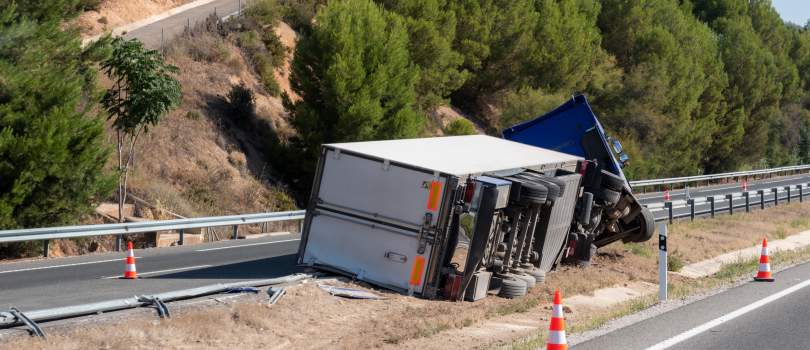
What is a Crash Event Data Recorder?
Event Data Recorders (EDRs), commonly known as "black boxes," are devices installed in vehicles that record technical vehicle and occupant information for a brief period of time before, during, and after a crash. This data is crucial for understanding the sequence of events leading to an accident.
Data We Extract from EDRs
- Vehicle speed in the moments before impact
- Engine RPM and throttle position
- Brake application and deceleration rates
- Seatbelt usage status
- Airbag deployment timing and force
- Steering angle and changes in direction
- Pre-crash acceleration data
- Impact force and direction (Delta-V)
- Multiple event recording (if applicable)
- ABS and traction control activation
- Time stamps of critical events
Applications
- Accident Reconstruction: Determine exact circumstances of collisions
- Personal Injury Cases: Establish liability and causation
- Insurance Investigations: Verify claim validity and circumstances
- Criminal Defense: Support or refute allegations in vehicular cases
- Fleet Management: Analyze driver behavior and safety compliance
- Product Liability: Evaluate vehicle system performance during crash
Supported Vehicle Systems
We have the capability to extract data from a wide range of vehicle makes and models, including:
- Passenger vehicles (cars, trucks, SUVs)
- Commercial vehicles and fleet trucks
- Motorcycles with EDR capability
- Heavy equipment and construction vehicles
Note: EDR data availability and content varies by vehicle manufacturer, model year, and system type. Not all vehicles are equipped with EDRs.
Our Process
- Vehicle Assessment: Determine EDR presence and accessibility
- Data Extraction: Use certified tools and forensically sound methods
- Data Preservation: Secure chain of custody documentation
- Analysis: Interpret technical data in context of the incident
- Reporting: Provide detailed, court-ready documentation
- Expert Testimony: Available for deposition and trial support
Legal Admissibility
Our EDR extraction and analysis follows industry-standard protocols and forensic best practices to ensure data integrity and legal admissibility. All extractions are performed using validated tools and methods recognized by courts and accident reconstruction experts.
Information Needed for EDR Analysis
- Vehicle year, make, and model
- VIN (Vehicle Identification Number)
- Date and nature of incident
- Current location of vehicle
- Case type (civil, criminal, insurance)
- Authorization/court order if required
Time-Sensitive: EDR data can be volatile. Some systems may overwrite data after subsequent vehicle operation. Early consultation is recommended to preserve critical evidence.
Need Crash Data Analysis?
Contact us today for professional EDR extraction and forensic analysis services.